
TFSA, FHSA or RRSP? A practical guide to deciding where your first dollars should go.
| YOUTH CORNER | AGES 18-28 |
Let’s be real: when you first start earning and saving, TFSA, FHSA and RRSP can sound like three versions of the same thing. The harder question is not, “Which account is best?” It is, “Which account makes the most sense for the next dollar I’m trying to save?”
Here is the good news: you do not need a massive salary or a perfect five-year plan before you begin. Your biggest advantage right now is time, and even a small amount saved consistently can start building the habits and momentum your future self will benefit from.
Think of these accounts like different backpacks for your money. The goal is not to find one backpack that is automatically “best.” It is to match the account to the job your money needs to do. This article is about where your first dollars should live – not which stock, ETF or fund to buy once the money is there.
| Your first account does not need to be perfect. It needs to match the job your money has right now. |
| 1. The TL;DR Cheat Sheet |
There is no one-size-fits-all order, but here is the easiest way to think about the job of each account:
• TFSA: Flexibility. Often a strong first stop when you want access to your money and your goals may change.
• FHSA: First-home focus. Powerful when you are eligible and buying a first home is a genuine goal.
• RRSP: Tax timing. Especially valuable when the deduction matters, your income is higher, or an employer match is available.
You do not have to use all of them right now. Most people only need one good first move – and that first move should match what the money is actually for.
| 2. TFSA – Often the Flexible First Stop |
Despite being called a Tax-Free Savings Account, a TFSA is not just a regular bank account. It is a flexible account that can hold different types of investments, and that flexibility can make it especially useful when you are still figuring out what the next few years of life will look like.
Why the TFSA Often Works Well When You’re Young:
• Tax-Free Growth: If your investments make money, the government can’t touch a single penny of your profits.
• 100% Tax-Free Withdrawals: Need your money? Take it out whenever you want, completely tax-free.
• The Ultimate Undo Button: If you withdraw money, you get that contribution room back on January 1 of the next calendar year.
Real-Life Example: The Concert Ticket vs. Car Emergency
Meet Marcus (Age 21): Marcus works part-time and puts $50 a month into his TFSA. Over two years, he deposits $1,200. He invests it in a basic index fund, and it grows to $1,400.
When his car alternator dies, costing him $800, Marcus withdraws the money directly from his TFSA. He pays $0 in taxes on his investment profits, and the CRA doesn’t penalize him. Even better, on January 1 of the next calendar year, that $800 of contribution room automatically slides back into his account to use again later.
| SAGE TAKEAWAY If flexibility is your main priority – and you are not giving up an employer match or prioritizing a genuine first-home goal – a TFSA often deserves the first look. It can work well for emergency savings, travel, a future car, or long-term investing while life is still changing. |
| 3. FHSA – When a First Home Is a Real Goal |
The First Home Savings Account (FHSA) has one very specific job: helping eligible first-time homebuyers save toward a qualifying first home in Canada. When that goal is genuinely part of your future, the FHSA can be a powerful account to understand early.
How the FHSA Works:
• Tax Break Going In: The money you put in reduces your taxable income today (meaning a potential tax refund).
• Tax-Free Coming Out: As long as you use the money to buy a home, the withdrawal is entirely tax-free.
• The Limits: You can put in up to $8,000 per year, up to a lifetime max of $40,000.
Real-Life Example: Opening an Account with $20
Meet Maya (Age 19): Maya lives with her parents and works a summer retail gig. She can’t afford to save $8,000 a year for a house. However, she reads a tip online and opens an FHSA with just $20 before December 31.
Because she officially “started the clock,” she legally locks in her $8,000 limit for the year. Three years from now, when she graduates and lands a full-time job, she will have thousands of dollars of carried-forward contribution room waiting for her. If she had failed to open the account early, her contribution room would have been restricted to just that single year’s limit.
| SAGE REFRAME Opening an FHSA early can matter because participation room begins when you open your first FHSA. The account makes the most sense when a first home is a genuine goal – not simply because the tax benefits sound attractive. |
| 4. RRSP – When the Tax Deduction Starts to Matter |
The Registered Retirement Savings Plan (RRSP) is a powerful tool, but it is not automatically the first account every young person should use. Its biggest advantage is the tax deduction you may receive when you contribute, while withdrawals are generally taxable later. That makes timing important.
Why Timing Matters:
• Less Flexible Access: If you withdraw RRSP money for a regular emergency, the withdrawal is generally taxable and that contribution room is usually gone for good.
• The Deduction May Be More Valuable Later: If you are early in your career and expect your income to rise, the same RRSP deduction may be worth more to you in a higher-tax year.
| FROM THE PLANNING TABLE When I am mapping out a plan with a young client, I like to fast-forward five years. Where is your career heading? What could your income look like? If you expect your tax rate to rise, it may make sense to preserve some RRSP room for a year when the deduction is more valuable. That does not mean your current savings sit on the sidelines – it simply means a more flexible account, such as a TFSA, may do a better job for you today. |
Real-Life Example: The Tax-Timing Question
Meet Chloe (Age 23): Chloe has just landed her first post-grad job making $42,000. She wants to be smart with her money and is considering a $3,000 RRSP contribution. The contribution may still make sense, but before using the room, she asks whether she needs flexibility today, whether an employer match is available, and whether her income is likely to rise significantly.
Fast forward five years: Chloe is earning $95,000. An RRSP deduction may now create more tax savings than it did when she was earning less. The lesson is not “never use an RRSP in your 20s.” It is to use RRSP room when the tax deduction and the purpose of the money are working in your favour.
| SAGE TAKEAWAY Do not ignore an RRSP – especially if your employer is matching contributions. But if you are in an earlier, lower-income stage and flexibility matters more, a TFSA may be the more useful first account while you preserve RRSP room for later. |
| 5. How They Compare at a Glance |
| Feature | TFSA (Flexibility) | FHSA (First Home) | RRSP (Retirement) |
| Tax deduction on contribution? | No | Yes | Yes |
| Does the money grow tax-free? | Yes | Yes | Yes |
| Is it tax-free when I take it out? | Yes | Yes (For a home) | No (Taxed as income) |
| Can I use it for emergencies? | Yes (Highly flexible) | Not designed for emergency access | Generally taxable; room is usually lost |
| 6. The 3 Biggest First-Account Mistakes to Avoid |
| 1 | Waiting until you have “real money” You do not need a huge balance to begin. Starting with $20, $25 or $50 builds the habit and gives time a chance to work for you. Waiting years for the “perfect” salary can keep you stuck at the starting line. |
| 2 | Choosing an account before deciding what the money is for An emergency fund, a first-home down payment and retirement money have completely different jobs. Start with the goal and timeline first; then choose the account whose rules fit that job. |
| 3 | Thinking you have to figure it all out alone You can absolutely start small on your own, automate contributions and learn as you go. But if the acronyms, tax rules or trade-offs are making you freeze, a financial planner can help you turn the options into a personal roadmap instead of another reason to procrastinate. |
| 7. Bottom Line – Give Your First Dollars a Job |
You don’t need a detailed five-year plan, a massive salary, or total confidence to get started. Your life, career, and goals are going to change completely over the next few years, and that is exactly how it’s supposed to be.
Before deciding where your next dollar goes, run a quick goal litmus test and ask yourself one simple question:
| “What am I actually going to need this specific pool of money for in the next five years?” |
| Question | Account That May Fit |
| Need it for emergency savings, a course, a used car, travel, or another flexible goal? | TFSA |
| Eligible for an FHSA and genuinely saving toward a first home? | FHSA |
| Higher income, employer matching, or money you do not expect to need until much later? | RRSP |
Your First Move Does Not Need to Be Perfect
Financial jargon can make the first move feel much bigger than it is. You are not trying to solve the next 40 years today. You are simply trying to give this next pool of money the right job and put it in an account that supports that job.
You do not need to be rich, perfectly organized or completely confident before you begin. You just need a first move that makes sense for your life right now.
Pick the backpack whose rules match the job. Then automate a small amount – $25 or $50 a month is enough to begin building momentum. Take five minutes this week to define what your first pool of money is actually for, then choose the account that fits. Your future self does not need the perfect decision today – just a thoughtful first one.
Related Youth Corner: A TFSA Is Not an Investment – Understanding Where Your Money Actually Lives
This article is intended for general educational purposes only and should not be considered individualized financial, tax, legal or investment advice. Account rules, contribution limits, eligibility and tax treatment can change and vary by individual circumstances. Verify current CRA rules and obtain professional advice where appropriate.
— Sabiha Mukadam
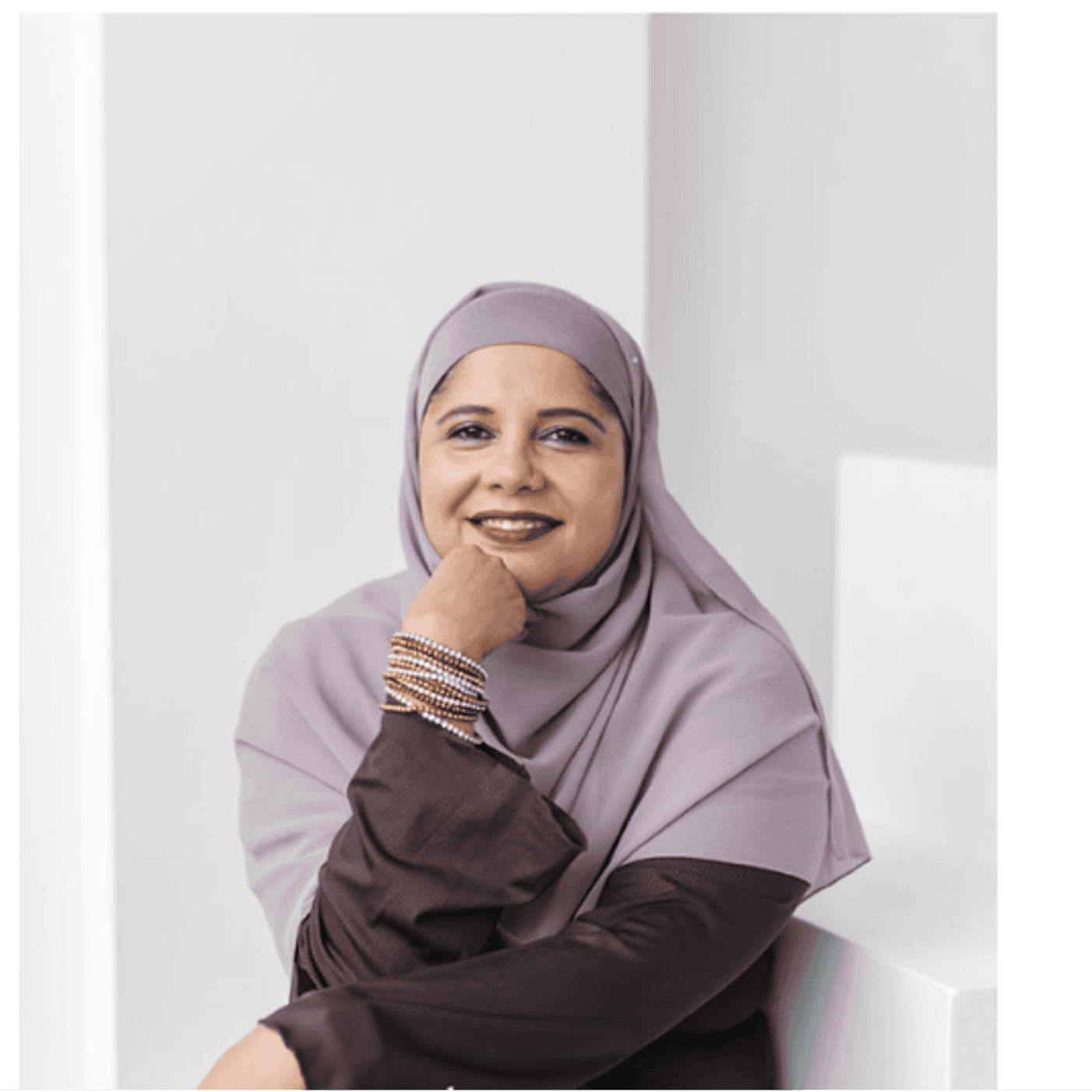
Meet The Author
Hi, I’m Sabiha Mukadam— a Fee-for-Service Financial Planner, Senior Manager, and lifelong advocate for financial confidence. With more than three decades of global experience across banking, investments, credit, and corporate finance, I’ve dedicated my career to helping people feel empowered and in control of their financial future.
I have been a Senior Planner and now Partner with Ed for the past 8 years. My journey has taken me through roles at TD Asset Management, RBC, and Barclays Bank of Zambia, giving me a broad perspective on how financial systems operate across markets. I hold the CFP® designation, an MBA in Finance and Corporate Governance, and multiple credentials across insurance, securities, and financial advice.
I teach financial planning and banking at the college level and have proudly mentored newcomers and young professionals entering the industry. For me, financial planning is about people—their stories, values, and dreams. When we work together, you can expect thoughtful conversations, practical guidance, and a plan centered entirely around what matters most to you.